Your Most-Asked Dental Questions — Answered
Every day, patients from Allenstown and throughout Merrimack County come to our office with the same essential questions about their teeth, gums, and overall oral health. Whether you're experiencing unexpected sensitivity, wondering about recommended treatments, or simply curious if something you've noticed falls within normal ranges, you're absolutely not alone in these concerns. These are precisely the questions we hear most often from our patients — and the clear, detailed answers you need to make well-informed decisions about your dental care.
Understanding your oral health should feel empowering and straightforward, never confusing or overwhelming. When you have a solid grasp of what's normal, how to maintain excellent daily oral hygiene, and when professional intervention becomes necessary, you can take charge of your dental well-being with complete confidence. Let's explore the most common concerns our Allenstown patients share with us, covering everything from routine maintenance questions to more complex treatment considerations.
How Often Should I Really Visit the Dentist?
The longstanding recommendation of dental appointments every six months is firmly rooted in decades of research about bacterial plaque and tartar formation in human mouths. Even with exceptional daily oral hygiene habits, bacterial biofilms continuously develop on tooth surfaces and in hard-to-reach areas. Professional cleanings and comprehensive examinations every six months enable us to remove this persistent buildup and detect developing problems when they're still minor, manageable, and much less expensive to treat than if they progress to emergency situations.
However, many patients benefit from more frequent professional care based on their unique risk factors and health conditions. Those managing active periodontal disease, diabetes, a history of recurring cavities, or taking certain medications often see better outcomes with cleanings and monitoring every three to four months. Pregnant women, tobacco users, and patients with compromised immune systems also typically require more frequent professional oversight to maintain optimal oral health through their specific challenges.
The most crucial element in long-term dental health success is maintaining consistent professional care over time. When patients delay or skip appointments for extended periods, minor issues almost invariably develop into major problems requiring complex, costly treatments like root canals, extractions, or extensive periodontal therapy. Regular preventive visits at Tri-Town Family Dental help us preserve your natural teeth and address any developing concerns while they remain simple and affordable to resolve.
Why Do My Gums Bleed When I Brush?
Bleeding gums serve as your mouth's sophisticated early warning system, alerting you to developing oral health problems that require attention before they progress to more serious stages. Most commonly, this bleeding indicates gingivitis — the earliest, most treatable stage of gum disease caused by plaque accumulation along the gum line. When bacterial irritants trigger inflammation in your gum tissues, they become swollen, tender, and prone to bleeding during routine oral hygiene activities. The excellent news is that gingivitis responds completely and predictably to appropriate professional treatment combined with improved daily home care.
A widespread mistake many people make is to avoid the bleeding areas entirely or to brush those spots more gently, thinking this will help the healing process. Unfortunately, this instinctive response actually makes the underlying problem significantly worse by allowing even more bacterial plaque to accumulate in those sensitive areas. What's truly needed is thorough, gentle removal of the bacterial irritant causing the inflammation through consistent, proper daily cleaning techniques combined with professional intervention when necessary. Most patients see dramatic improvement within one to two weeks of implementing correct brushing and flossing methods along with appropriate professional care.
When left untreated, bleeding gums can signal progression to advanced periodontal disease, which can eventually result in tooth loss, permanent bone damage, and has been scientifically linked to serious systemic health conditions including cardiovascular disease and diabetes complications. If you're experiencing regular gum bleeding, scheduling a comprehensive periodontal evaluation allows us to determine the precise underlying cause and develop a personalized treatment strategy that effectively addresses your specific situation and risk factors.
Do I Really Need to Floss Every Day?
Your toothbrush, regardless of how sophisticated, expensive, or technologically advanced it may be, can only effectively clean approximately 60% of all your tooth surfaces. The remaining 40% consists of the tight contact areas and spaces between teeth where bacteria can flourish completely undisturbed by brushing alone. These narrow spaces provide perfect environmental conditions for bacterial growth and plaque accumulation, and without consistent daily flossing intervention, this soft plaque gradually hardens into calcified tartar that can only be removed using professional dental instruments during your maintenance appointments.
We completely understand that flossing can feel tedious and time-consuming, particularly when you're dealing with busy schedules, fatigue, or simply trying to streamline your daily routines. Many patients honestly admit they floss "when they think about it" or primarily in the days leading up to dental appointments. However, daily flossing provides remarkable benefits: preventing cavity formation between teeth, significantly reducing gum inflammation and bleeding, removing trapped food particles that contribute to bad breath, and supporting overall better oral and systemic health. Once you establish a consistent daily routine, proper flossing technique takes only two to three minutes and becomes as automatic and natural as brushing your teeth.
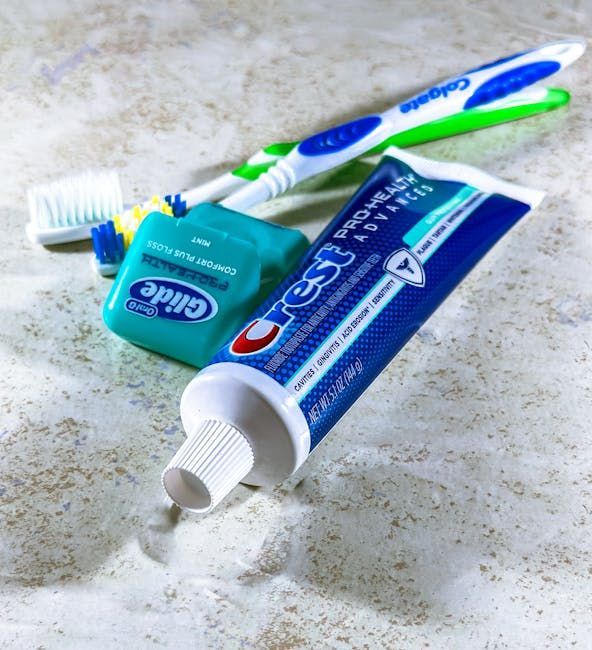
If traditional string floss feels awkward, uncomfortable, or difficult to manage effectively, consider exploring different cleaning alternatives that might work better for your specific needs and preferences. Floss picks can make accessing posterior teeth much easier, water flossers work exceptionally well for patients with braces, crowns, or extensive dental work, and specialized interdental brushes are ideal for those with larger spaces between teeth. The most effective flossing tool is simply the one you'll actually use consistently every single day without fail. Our experienced team is always happy to demonstrate various techniques and help you discover the method that works best for your unique oral anatomy and lifestyle requirements.
When Should I Worry About Tooth Pain?
Understanding the different characteristics and patterns of dental discomfort can help you make informed decisions about when you need immediate emergency care versus when you can safely schedule a regular appointment during normal business hours. Brief, sharp sensitivity to cold beverages, ice cream, or sweet foods typically indicates relatively minor enamel erosion or a small developing cavity — certainly uncomfortable and worth addressing, but not necessarily requiring urgent after-hours treatment. However, persistent, throbbing pain that disrupts sleep, eating, or daily activities usually signals nerve infection, inflammation, or dying nerve tissue that requires prompt professional intervention to prevent more serious complications.
Pain that continues for more than a few seconds after consuming hot or cold items suggests the problem has progressed beyond surface-level sensitivity and has reached the tooth's deeper, more sensitive internal structures. Additional serious warning signs that warrant immediate professional evaluation include noticeable facial swelling, fever, persistent bad taste or odor, pus drainage, or visible swelling around the affected tooth. These symptoms typically indicate bacterial infection that can spread rapidly throughout your system and potentially become life-threatening without appropriate antibiotic treatment and professional dental intervention.
Even relatively mild, intermittent discomfort deserves professional attention before it has the opportunity to progress to more serious, painful, and expensive stages. Many patients attempt to manage dental pain with over-the-counter medications, hoping the underlying problem will somehow resolve spontaneously without treatment. While pain relievers can certainly provide valuable temporary symptom management and help you function more comfortably, they don't actually address or eliminate the underlying dental pathology causing the pain. Seeking early professional intervention typically allows for more conservative, less invasive treatment options that preserve more of your natural tooth structure and cost significantly less than emergency procedures.
Are Dental X-Rays Safe?
This important safety concern arises frequently in our practice, particularly among concerned parents, pregnant patients, and health-conscious individuals who want to make informed decisions about their medical care. Modern digital X-ray technology exposes patients to remarkably minimal levels of radiation — roughly equivalent to what you would naturally receive during a short domestic airplane flight or from normal environmental background radiation encountered over just two to three days of regular daily activities. The protective lead apron we consistently provide offers substantial additional radiation shielding for your body, and we only recommend taking diagnostic X-rays when they're genuinely necessary for accurate diagnosis, treatment planning, or monitoring of existing conditions.
Dental X-rays reveal absolutely critical diagnostic information that remains completely invisible during even the most thorough clinical examination: cavities developing between teeth in areas where visual inspection is impossible, infections forming at tooth roots beneath the gum line, bone loss occurring due to periodontal disease, impacted or problematically positioned wisdom teeth, and various other structural abnormalities or pathologies. Without access to this essential diagnostic information, we might completely overlook serious developing conditions until they progress to cause significant pain, damage, or complications requiring much more extensive, complex, and expensive treatment interventions.
We strictly adhere to established professional guidelines and recommendations regarding appropriate X-ray frequency based on your individual age, personal and family medical history, current oral health status, and specific risk factors. Most healthy adults typically need bitewing X-rays taken every year or every other year to monitor for cavity development, while comprehensive full-mouth X-ray series are generally recommended every three to five years for complete evaluation. Children and patients with higher risk factors may require more frequent imaging to closely monitor their developing or changing oral health conditions, while those with excellent oral health and low risk profiles might need diagnostic X-rays taken less frequently. We always thoroughly explain our recommendations and encourage questions about radiation exposure, imaging necessity, or any other concerns you might have.
Tri-Town Family Dental
These frequently asked questions provide the essential foundation for understanding and maintaining excellent oral health throughout your entire lifetime. Every individual's mouth presents its own unique combination of challenges, opportunities, and requirements, which is precisely why personalized, comprehensive care and clear, ongoing communication with your dental team remain absolutely essential for achieving and maintaining optimal long-term oral health outcomes for you and your family.
Ready to get expert answers to your specific dental questions and concerns? Contact Tri-Town Family Dental today to schedule your comprehensive examination and consultation. Call us at (603) 485-8464 or visit our convenient office at 50 Pinewood Road, Unit 5 in Allenstown, proudly serving patients throughout Merrimack County and the surrounding communities.