Dental Anxiety: How to Stop Being Scared of the Dentist
Dental anxiety is one of the most common barriers to good health in America — and it affects people right here in our community. Families in Allenstown, Pembroke, Hooksett, Epsom, Bow, and Concord include many adults who quietly live with dental problems they know need attention but can't bring themselves to address. For some, it's been years since their last visit. For others, the fear shows up in canceled appointments, sleepless nights before a scheduled cleaning, or a physical response of dread just thinking about the dentist's chair.
At Tri-Town Family Dental, we want to speak to that fear directly. Dental anxiety is real, it's common, and — most importantly — it is manageable. We work with anxious patients of all ages and backgrounds, and we know that with the right approach, the right information, and a dental team that genuinely listens, most people can find a path to comfortable, consistent dental care. This post is for anyone who has been putting off that call. You deserve care, and we're here to help you get it.
Why Dental Fear Takes Root
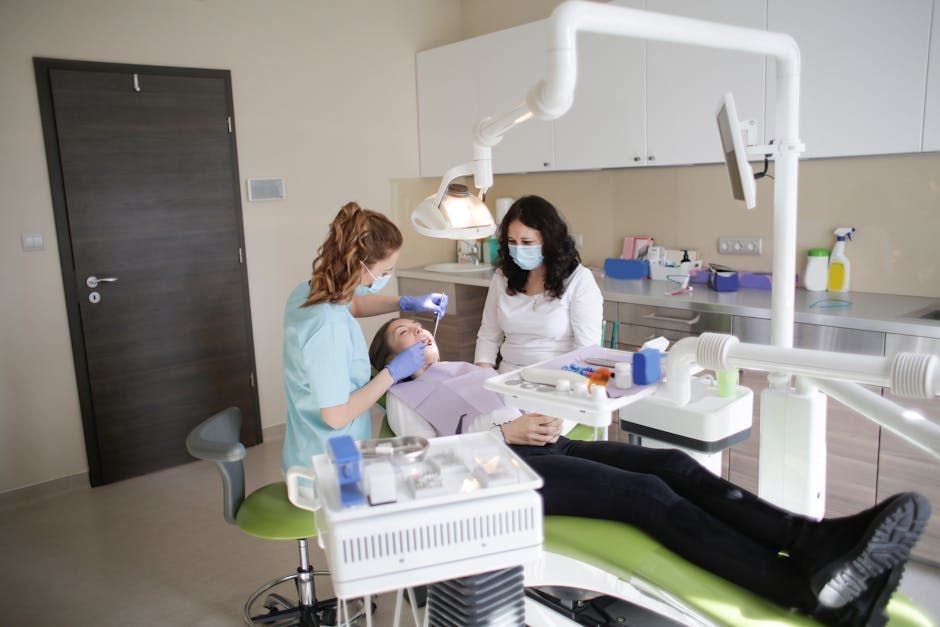
Most dental anxiety has an origin story. It usually begins with an experience that was painful, frightening, or felt out of control — most often during childhood. A difficult procedure without adequate numbing, a provider who seemed rushed or dismissive, or a feeling of being held down or unable to communicate can leave a powerful impression on the brain. The brain stores these experiences as threat memories, and the sensory environment of a dental office — the particular smell, the sound of instruments, the reclining chair, the bright light — can trigger those memories involuntarily, even years or decades later.
For other patients, dental anxiety isn't tied to a specific memory at all. It may be a fear of needles, a fear of pain, a fear of gagging, or a more general discomfort with vulnerability — with having someone work in such a personal space as the mouth. These fears are entirely understandable from a psychological standpoint, and they deserve to be acknowledged and addressed rather than minimized or pushed past without support.
Shame also plays a larger role in dental avoidance than most people discuss. Patients who have been away for a long time often assume they'll be judged harshly for the state of their teeth — and that anticipated judgment becomes yet another reason to stay away. We want to be clear: at Tri-Town Family Dental, there is no judgment. Every patient who walks through our door is welcomed with the same warmth and respect, regardless of how long it's been or what we find. Our focus is always forward — not backward.
The Cycle That Keeps People Away — and How to Break It
One of the most difficult aspects of dental anxiety is that it tends to reinforce itself. Avoidance leads to worsening oral health. Worsening oral health means more to address when a patient finally comes in. More to address feels like confirmation that the dentist always brings bad news. That confirmation makes the next visit even harder to initiate. And so the cycle deepens — often over years or decades — making what started as manageable anxiety into something that feels overwhelming.
The key insight is that this cycle can be broken at any point, and the sooner it is, the easier it becomes. A tooth with early decay needs a simple filling. The same tooth, untreated for two more years, may need a root canal and crown. Starting with a completely low-pressure consultation visit — no instruments, no treatment, just a conversation with our team — is often enough to interrupt the cycle. Many patients who come in for a "just to talk" visit leave feeling something they didn't expect: relief. The reality of a caring dental office is simply not as threatening as the mind has imagined it to be.
Modern Dentistry Is Different Than You Remember
If your anxiety is rooted in experiences from years or decades ago, there is genuinely good news: dentistry has changed significantly. Anesthetics are more effective and faster-acting. Instruments are quieter. Techniques are more refined and gentler. And the entire culture of how dental teams communicate with patients has shifted toward transparency, patient control, and comfort in ways that were far less common a generation ago.
Pain management, in particular, has improved dramatically. Local anesthetics today are highly reliable at eliminating sensation during procedures. The injection itself — often the most feared moment — can now be made much more comfortable with topical numbing gel applied to the gum tissue before the needle, slow delivery technique, and finer-gauge needles than were historically standard. Patients who have spent years dreading "the needle" are frequently surprised to discover that the actual sensation is a fraction of what they anticipated.
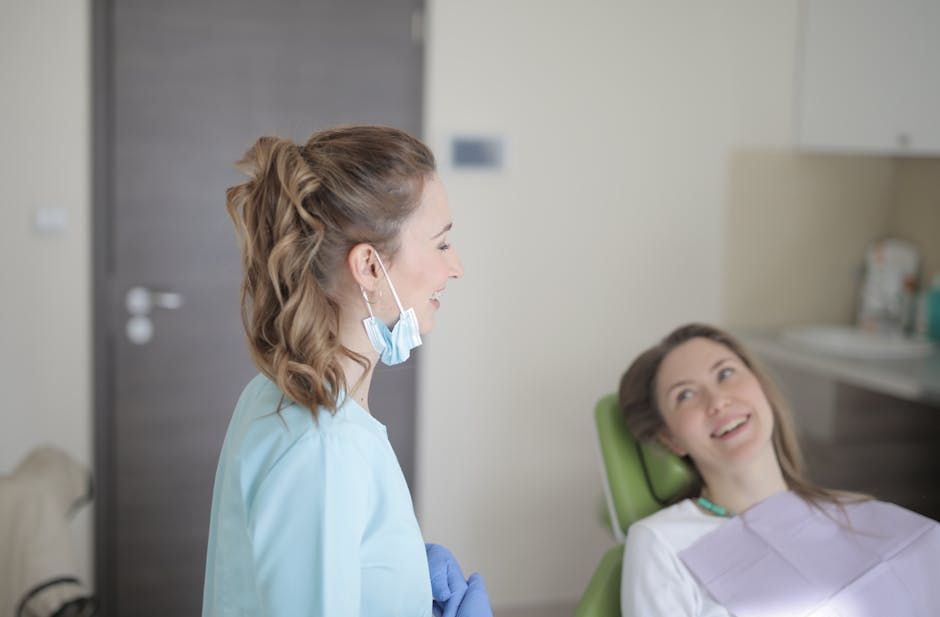
At Tri-Town Family Dental, we use a tell-show-do approach with anxious patients: describing what we're about to do, showing any instrument before using it, and proceeding only when the patient signals readiness. Every anxious patient receives a clear stop signal — a raised hand — that pauses everything immediately, no explanation needed. This agreement restores a sense of control that many fearful patients describe as the most important part of their visit.
Practical Strategies That Make a Difference
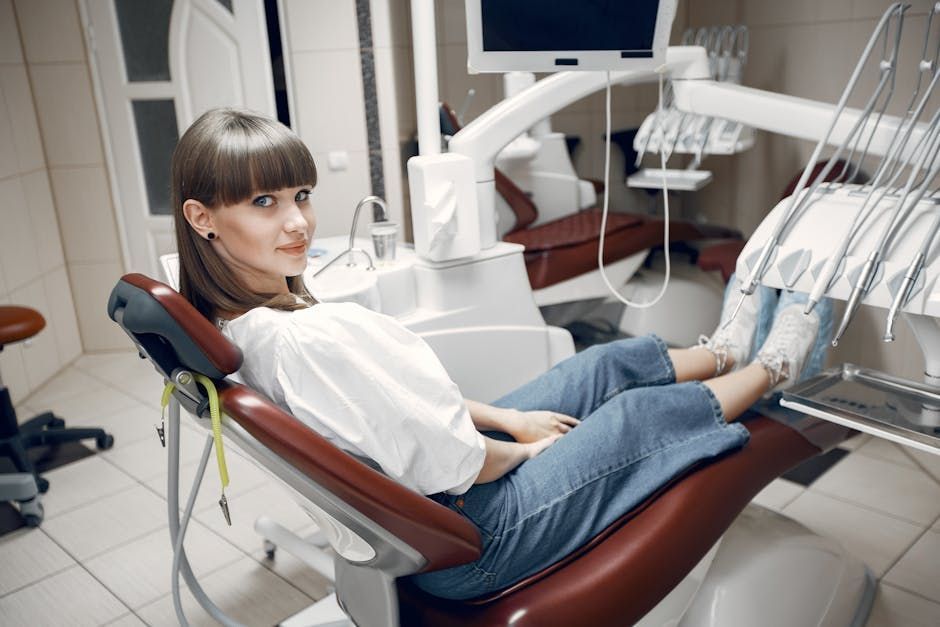
There are several things anxious patients can do on their own to make dental visits more manageable. Telling the team about your anxiety before you arrive — even just a brief mention when you call to schedule — allows us to slow down, communicate more carefully, and approach the entire visit with more awareness of your comfort. You don't need to explain everything; even a simple "I have a lot of dental anxiety" gives us important information to work with.
Scheduling at a strategic time helps too. Morning appointments leave less of the day to spend dreading the visit beforehand. Quieter appointment slots tend to feel calmer and more unhurried. Bringing headphones with music, a favorite podcast, or an audiobook is one of the most commonly reported tools among anxious patients — creating a personal auditory environment during the appointment significantly reduces awareness of the sounds that often trigger anxiety.
Controlled breathing is another tool that's free, always available, and genuinely effective. Breathing in for four counts and slowly exhaling for six activates the parasympathetic nervous system and physically counteracts the stress response. Practicing this in the waiting room and using it during any procedure can meaningfully reduce the intensity of the physical experience of fear in real time.
When Sedation Is the Right Answer
For patients with more significant anxiety, sedation options are available. Nitrous oxide — commonly called laughing gas — is a mild inhaled sedative that creates a feeling of calm relaxation and mild detachment from the procedure. It takes effect within minutes, wears off quickly after the mask is removed, and doesn't require someone to drive you home. Many patients who try nitrous oxide describe it as genuinely transformative — it makes a manageable dental visit possible for people who previously couldn't imagine sitting through one.
For deeper anxiety or more involved procedures, oral sedation — a prescription medication taken before the appointment — provides greater relaxation while the patient remains conscious and responsive. Discussing your anxiety level with our team is always the right starting point for determining whether sedation is appropriate for your situation, and if so, which approach fits best.
Tri-Town Family Dental
Dental anxiety doesn't have to mean dental avoidance forever. With the right support, the right information, and a team that approaches your care with patience and compassion, it is entirely possible to move from dread to comfort — one visit at a time. We serve patients throughout Allenstown, Pembroke, Hooksett, Epsom, Deerfield, Candia, Bow, Concord, and across Merrimack County.
You don't have to white-knuckle it alone. Contact Tri-Town Family Dental today and let's talk about how we can help. Call us at (603) 485-8464 or visit us at 50 Pinewood Road, Unit 5, Allenstown, NH 03275.