Why So Many Kids Are Getting Cavities (And How to Stop It)

Danny • March 21, 2026

Tooth decay is the most common chronic childhood disease in the United States — and it's a growing concern for families in Allenstown, Pembroke, Hooksett, Epsom, Bow, Concord, and throughout Merrimack County. Many parents are doing everything they think is right, yet their children are still coming home from the dentist with cavities. The reason? The true causes of childhood tooth decay are often different from what most people expect.

At Tri-Town Family Dental , we're committed to helping families understand what's actually driving this trend — and what they can do about it at home and at our office. The encouraging news is that cavities are largely preventable with the right knowledge and consistent habits.

Sugar Is Hiding Where You Least Expect It

Most parents already know that candy and soda are bad for teeth. But many are surprised to learn that sugar is present in a much wider range of children's foods and drinks — often in amounts that cause significant dental damage. Juice boxes, sports drinks, flavored yogurts, granola bars, fruit snack pouches, and even crackers all contain sugars that feed cavity-causing bacteria in the mouth.

The biological mechanism works like this: each time your child eats or drinks something containing sugar, bacteria in the mouth produce acid. That acid attacks tooth enamel for up to 20 minutes after each exposure. The real risk isn't any single sugary food or drink — it's how often these exposures happen throughout the day. A child who grazes on snacks every hour or two is in a state of near-constant acid attack, with no opportunity for enamel to recover and remineralize.

Structured mealtimes are one of the most powerful tools families have for reducing cavity risk. When children eat at defined times and drink water between meals, teeth get the recovery time they need. Fluoridated tap water is ideal — it provides continuous passive fluoride exposure that strengthens enamel throughout the day. Here in the Concord area and Merrimack County, municipal water is fluoridated, making tap water one of the most accessible and underutilized dental health tools available.

Are Parents Brushing With Their Kids — Or Just Nearby?

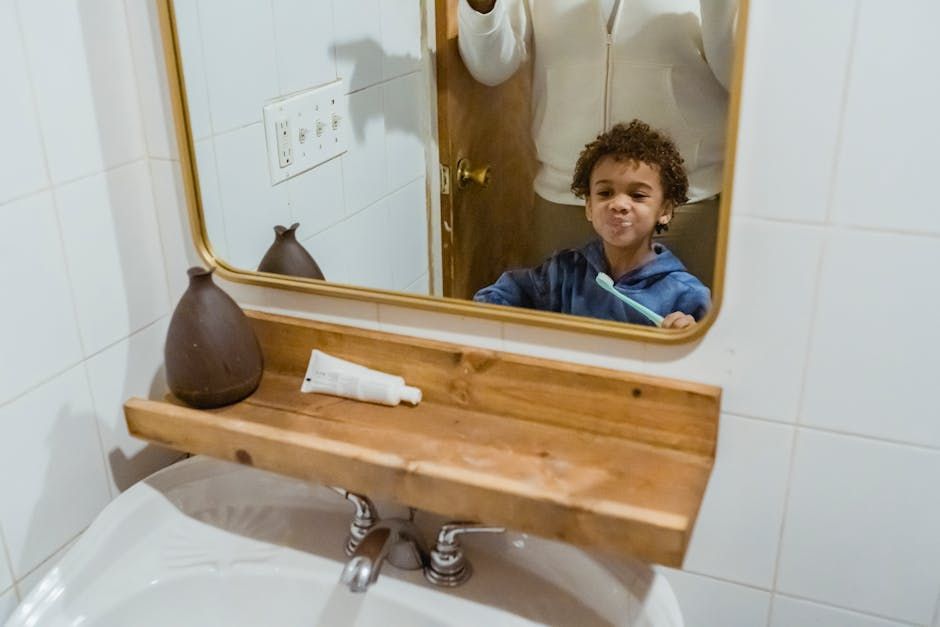
Brushing twice a day is one of the most important dental habits — but the effectiveness of brushing depends enormously on who's doing it and how thoroughly. Children under 7 or 8 years old don't yet have the fine motor coordination to brush all surfaces of their teeth properly. They tend to rush through the process, focus on the front teeth they can see, and completely miss the back molars and gumline — which is exactly where plaque builds up most aggressively and where cavities most commonly form.

Dental professionals consistently recommend that parents actively supervise and assist with brushing until around age 7 or 8. The best approach is to let children brush first — this builds independence and routine — and then have a parent follow up to ensure complete coverage. It takes only an extra minute or two, but it makes an enormous difference in plaque removal.

Fluoride toothpaste is the other critical variable. Children under 3 need only a rice grain-sized smear; ages 3 to 6 should use a pea-sized amount. Fluoride rebuilds weakened enamel and can reverse very early decay before it becomes a true cavity requiring treatment. Always encourage children to spit after brushing rather than swallow.

Baby Teeth Matter Far More Than Most Parents Know

One of the most common and consequential misconceptions in pediatric dental health is the belief that baby teeth don't matter much because they'll eventually fall out. This reasoning leads many parents to delay treatment for cavities in baby teeth or to be less vigilant about prevention — and it can lead to outcomes that affect their children's dental health for decades.

Baby teeth hold space in the jaw for the permanent teeth developing underneath. When a baby tooth is lost prematurely because of untreated decay, the neighboring teeth migrate into the empty space. This crowding and shifting can cause permanent teeth to erupt in incorrect positions, leading to misalignment, crowding, and often the need for orthodontic treatment that costs far more than any filling would have. Baby teeth also help children chew food properly for nutritional health, develop clear speech, and smile with confidence in social and academic settings.

There's also a direct biological connection many parents don't know about: decay that progresses to the root of a baby tooth can spread and damage the permanent tooth forming directly below it in the jawbone. A cavity in a baby tooth isn't just a today problem — it's a potential threat to the adult tooth that won't emerge for years. Treating baby tooth cavities promptly, and preventing them in the first place, is an investment in your child's permanent smile.

The Sippy Cup and Bottle Trap

For infants and toddlers, two specific habits are responsible for a significant share of early childhood cavities: continuous use of a sippy cup containing milk or juice throughout the day, and falling asleep with a bottle. In both cases, the problem is prolonged exposure: teeth remain bathed in sugary liquid for hours at a time, giving bacteria a constant fuel source with no break between acid attacks.

Dentists call the most severe version of this "baby bottle tooth decay" or "nursing caries." It often presents as white or brown discoloration on the upper front teeth and can advance to extensive decay across multiple teeth in a matter of months. Treating advanced baby bottle tooth decay in very young children often requires dental sedation or general anesthesia — a significant and preventable burden on children and families. The prevention is simple: use sippy cups for water between meals, serve milk only at mealtimes, and never put a child to bed with anything other than water in a bottle or cup.
Dental Sealants and Fluoride: The Clinical Prevention Toolkit

At Tri-Town Family Dental, two preventive treatments stand out as particularly effective for children with elevated cavity risk: dental sealants and professional fluoride varnish. Dental sealants are thin plastic coatings applied to the chewing surfaces of the back molars. These teeth have deep grooves that trap food and bacteria and are nearly impossible to clean completely with a toothbrush alone. Sealants fill those grooves and create a smooth, bacteria-resistant surface — reducing cavity risk in back teeth by up to 80 percent.

Professional fluoride varnish, applied in just a few minutes during a routine checkup, delivers a concentrated dose of fluoride directly to the enamel — far stronger than what over-the-counter toothpaste provides. For children who are cavity-prone, have experienced recent decay, or live in areas with lower fluoride in the water supply, fluoride treatments at each checkup can meaningfully improve their long-term dental health. Both sealants and fluoride treatments are painless, quick, and cost a fraction of what a single cavity repair requires.

Starting Early: When Should Children First See a Dentist?

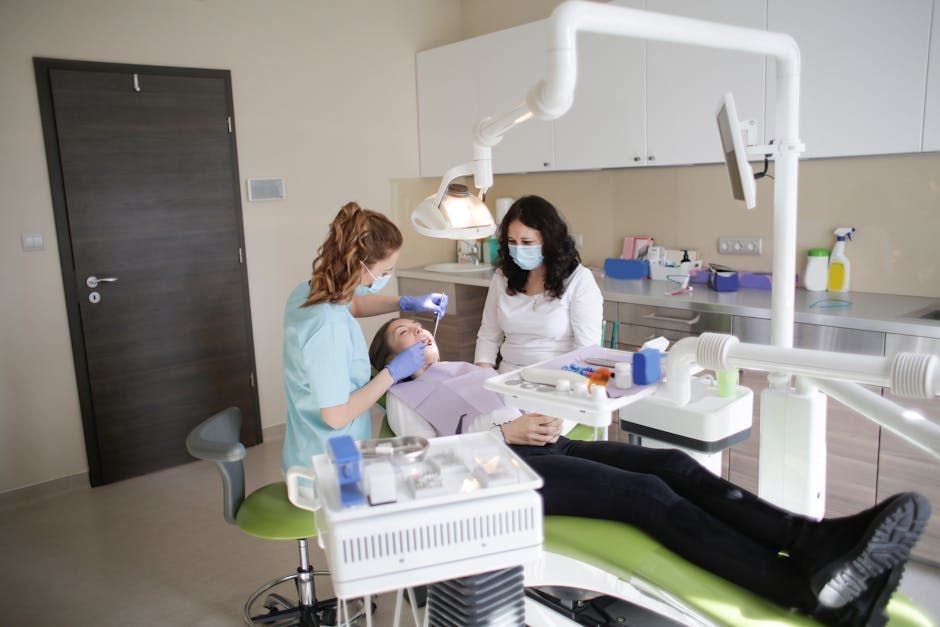
The American Academy of Pediatric Dentistry recommends a child's first dental visit by their first birthday, or within six months of the first tooth appearing. Many parents are surprised by how early this is — but starting early pays long-term dividends. Early visits give our team the chance to identify any signs of decay before they progress, give parents specific and personalized guidance on diet and home care, and help children build positive associations with dental care long before any treatment is ever needed.

After the first visit, routine six-month checkups are where consistent prevention happens: fluoride is applied, sealants are placed at the right developmental window, and any emerging concerns are caught and addressed early. Children who begin regular dental care early consistently have better dental health throughout their childhoods and into adulthood.

Tri-Town Family Dental

Childhood cavities are common — but they don't have to be inevitable for your child. With the right habits at home, the right diet choices, and consistent professional preventive care, most children can grow up with healthy, strong teeth and avoid the pain, cost, and disruption of extensive dental treatment. We proudly serve families in Allenstown, Pembroke, Hooksett, Epsom, Deerfield, Candia, Bow, Concord, and throughout the surrounding region.

Ready to schedule your child's next checkup or first dental visit? Contact Tri-Town Family Dental today. Call us at (603) 485-8464 or visit our office at 50 Pinewood Road, Unit 5, Allenstown, NH 03275.
By Danny February 28, 2026
Find out which foods protect your teeth and which ones cause damage. Tri-Town Family Dental in Allenstown NH shares nutrition tips to keep your whole family smiling healthy.
By Danny February 22, 2026
The 2-2-2 Rule explained by Tri-Town Family Dental: brush twice daily, for two minutes, and visit our Allenstown NH office twice a year for lasting oral health.
By Danny February 14, 2026
Discover heart-healthy habits that also protect your teeth and gums. From nutrition to exercise to stress management, Tri-Town Family Dental in Allenstown NH shares dual-benefit tips.
By Danny February 7, 2026
Discover smile makeover tips just in time for Valentine's Day. From teeth whitening to cosmetic dentistry, Tri-Town Family Dental helps you look your best.
By Danny February 1, 2026
Tri-town area families: Learn essential at-home children's dental care tips this Children's Dental Health Month from Tri-Town Family Dental.
By Danny January 20, 2026
Know what to do before reaching our office during a dental emergency. Tri-Town Family Dental in Allenstown NH provides expert guidance on handling knocked-out teeth, severe pain, broken teeth, and more urgent dental situations.
By skatragadda09 January 2, 2026
Looking for a dentist in Suncook, NH? Start 2026 with confidence! Discover achievable dental resolutions and why Tritown Family Dental is your partner for exceptional family dental care this New Year.
By Gerald M June 22, 2019
Summer is finally here, and many people are finally going on their long-awaited vacations. Of course, nobody wants to have an issue with their teeth when they are away from home but being prepared for this type of issue can help you deal with it faster and get back to your vacation. Here are a few tips on how to handle a dental issue while you are on vacation. They always say that the best defense is a good offense. Make sure that you are up to date on your dental checkups before you leave on vacation. This will help you identify any small issues with your teeth that have the potential to turn into major problems while you are away. Not only will you have more peace of mind, but your dentist will have updated records just in case you do run into trouble. Of course, emergencies sometimes occur, even when you have taken all the right steps to prevent them. Keep contact information for your dentist with your travel documents and make sure that you have the office number in your phone. In many cases, your dentist will be able to help you solve your dental problem over the phone and help you get comfortable until you can come home and have an appointment. If you are out of the country, getting the dental care you need may be a bit more complicated, but it is still possible. Contact the US embassy to find a dentist who was trained in the United State. Cruise ships and resort hotels often have a list of providers for emergency dental services. Ask the concierge to help you set up an emergency appointment. When you are out of the country visiting friends or family, go with their best recommendation for dental care. In the hustle and bustle of preparing for a vacation, we often forget something as simple as packing a toothbrush. If you are stuck without a toothbrush and nowhere to get one, you can still take simple steps to clean your teeth. Rinse thoroughly with water to remove bacteria and sugars from the surface of your teeth. You can also put toothpaste on a washcloth until you are able to locate a proper toothbrush. When you do track one down, an ADA approved toothbrush is best but, if that isn’t possible, try to find one with soft bristles. Most of your favorite toothbrush brands can be purchased in any area of the world. Make sure that when you do pack your toothbrush, you do it with care. When we are at home, our toothbrushes have a chance to dry out. Bacteria won’t grow in a dry environment because it needs moisture to live. However, if you brush your teeth right before you leave, you might not have time to let it dry before you need to pack it. In this case, put your toothbrush in a clean plastic bag and keep it away from other items in your suitcase. As soon as possible, take your toothbrush out so that it can dry completely. Sugarless gum is one of the most important things you can keep on you for your dental health while you are traveling. For one thing, it will offer much-needed relief if you experience ear pressure during a plane takeoff or landing. However, sugarless gum can also help reduce your risk of cavities. If you are indulging in a lot of sweet treats during your vacation, chew a piece of sugarless gum afterward to protect your teeth. If you have a crown or bridge in your mouth that becomes loose during vacation, you can use sugar-free gum as a temporary hold until you can get to a dentist. It can also help as a temporary solution for tooth sensitivity when you’re on the road. Remember that not all areas where you travel will have water that is ideal for brushing your teeth. If you aren’t sure, pour bottled water onto your toothbrush instead. You do not want to have your vacation ruined by an illness as a result of ingesting contaminated local water. After your vacation, get right back to your normal oral hygiene routine. Spend some extra time brushing and flossing to make up for any lapses during your trip. Get back to healthy eating habits. There is no problem with indulging on vacation if you can get back to your normal habits when you get home. Looking for a Allenstown, NH Dentists ? Tritown Family Dental is now accepting new patients. For more information about our services or to request an appointment, click here .
By Gerald M June 15, 2019
We all know how expensive raising a family can be in today’s world. When you start adding dental bills into the mix, the costs can really start to get out of hand. Unfortunately for most parents, it is a do as I say world, but that is not how children work. They are like sponges and watch every move we make. More importantly to realize is the fact because parents are literally their world, they try to emulate everything mom and dad do as well. Keep that in mind when it comes to your oral health regimen because you need to set the example for your children and show them how to properly care for their teeth the moment they understand tasks like brushing and rinsing. Here are some tips to help ensure you keep your child’s dental health in check and maybe yours as well: Don’t Miss Dental Appointments – this is literally the most basic of oral hygiene regimens. You simply cannot afford to miss a dental appointment because what often happens is you start to become afraid to go for fear of what you may find out. Keep the appointment, period. Sweets Between Meals – ideally, you avoid sweets. But, let’s face facts, we like them just as much as our children do. When picking snacks for the children, try to pick snacks that are healthy and hand them a bottle of water with the snack. Instead of candy, try some frozen grapes or blueberries. Make a game of swishing water around in the mouth after they are done eating to reduce the residue on their teeth. That will suffice until you can get them home to brush. Drinks Before and After Bed – if you are like me, you tend to take a drink to bed with you. For many parents, this often means some type of fruit juice in a sippy cup for the children, which is a big mistake. All the sugar in the drink will be sitting in their mouth all night long eroding away at the tooth enamel. The nighttime drink should be water, period. Brushing Before Bed – getting kids to brush their teeth before bed can be a nightmare, but it is a must to ensure good oral health. Today, there are numerous children-themed toothpastes as well as cool toothbrushes that can be used to make it fun. Put an egg timer on the sink and if they brush for the entire two minutes, give them a reward. You have to make them want to brush their teeth because this is a habit that will last them a lifetime. Do you need to make a dental appointment for your children? If you are looking for a Allenstown, NH Dentists , Tri-town Family Dental is accepting new patients. For more information about our services or to request an appointment, please click here .
By Gerald M June 8, 2019
If you make regular dental visits, you may sometimes notice your teeth are a bit more sensitive after getting treatment. These sensations usually fade over time, however, there are times when that sensitivity continues without abating. Today, we are going to look at how and why this happens as well as what you can do to address it. Deep Cleaning Will Impact Sensitivity For most people, the bi-annual visit to the dentist means the removal of bacteria under the guns and tartar that has calcified on and between the teeth. The dentist or oral hygienist will use a regular pick as well as a small water pressure tool to remove this. For more severe cases, a root planing is done, usually in quadrants (generally, you are also given a local to numb the area being cleaned). When this is done, is it not uncommon to experience sore gums, bleeding gums, and extra-sensitive teeth, especially after a planing is conducted. One of the reasons the teeth will often feel a bit more sensitive is because the plaque has been removed from the surface. These parts of the tooth are once again exposed to the elements. In a normal situation, the extra sensitivity should start to subside in a day or so, and everything should be normal within a few days, a week at the longest. As you brush your teeth, carefully, throughout the week, this will actually help the situation along. In the meantime, avoid eating excessively cold or hot food. When possible, use a straw to drink your liquids to avoid direct contact with the teeth. If the problem persists, however, you should contact your dentist to alert him or her of the situation. Taking Care of Teeth After a Deep Cleaning It is important to understand that even though you may be experiencing some extra sensitivity from your teeth and gums, you still need to maintain a regular oral health regimen, however, there will be some moderate changes in the usual activity. For instance, you should avoid flossing for a day or so to allow the gums to recover. If, however, you have a water flosser, you can reduce the setting and use it to massage the gums and remove loose particles from between the teeth. When brushing your teeth, be sure to use a tooth brush with soft bristles so as not to aggravate the situation further. As mentioned above, avoid liquids of extreme temperature and use a straw to drink when possible. Are you in need of a dental cleaning? If you are looking for a Allenstown, NH Dentists , Tri-town Family Dental is accepting new patients. To learn more about our service or to schedule an appointment, please click here .