Dental Emergencies: What to Do Before You Reach Our Office
Dental emergencies strike without warning—a sudden toothache that wakes you at 3 AM, a broken tooth from biting into something hard, or an injury that knocks out a tooth completely. In these moments of pain and panic, knowing exactly what to do before you reach our office can make the difference between saving and losing a tooth, between a quick resolution and weeks of complicated treatment. At Tri-Town Family Dental, we understand that dental emergencies are stressful and frightening, which is why we're committed to providing same-day emergency care and empowering you with the knowledge to handle these situations effectively.
The actions you take in the first minutes and hours after a dental emergency directly impact the outcome. A knocked-out tooth reimplanted within 30 minutes has a significantly higher survival rate than one reimplanted after two hours. Proper care of a broken tooth can prevent infection and preserve enough structure for a simple restoration rather than a complex crown or extraction. Understanding what constitutes a true dental emergency versus a concern that can wait until regular office hours helps you make informed decisions about when to seek immediate care. This guide will walk you through the most common dental emergencies and provide step-by-step instructions for managing each situation before you reach our Allenstown office.
Knocked-Out Tooth: Every Second Counts
Having a tooth completely knocked out of its socket—called an avulsion—represents one of the most time-sensitive dental emergencies. The thin layer of periodontal ligament cells that attach your tooth to the bone begins dying within minutes of exposure to air. However, if you act quickly and correctly, there's an excellent chance we can successfully reimplant the tooth and it will reattach to the bone.
The moment a tooth is knocked out, locate it immediately. Pick it up by the crown—the white part you normally see in your mouth—never touching the root. The root surface contains those crucial periodontal ligament cells that must be preserved for successful reimplantation. If the tooth is dirty, rinse it very gently with milk or saline solution. Never scrub the root, use soap, or let the tooth dry out. These actions will destroy the delicate cells needed for reattachment.
Ideally, you should try to replant the tooth yourself right away if the patient is cooperative and calm enough. Hold the tooth by the crown, position it over the empty socket, and gently but firmly push it back into place. The tooth should sit at the same height as the adjacent teeth. Once in position, have the patient bite down gently on clean gauze or a wet tea bag to hold it in place. Then get to our office immediately—even if the tooth seems secure, we need to properly stabilize it and monitor for complications.
If you cannot replant the tooth yourself or the patient is too upset or young to keep it in place safely, you must keep the tooth moist during transport. The best option is a tooth preservation kit (available at pharmacies), which contains a special solution that keeps the periodontal cells alive. If you don't have one, place the tooth in a small container of cold milk—not water, which can damage the cells through osmotic swelling. Alternatively, the patient can hold the tooth inside their cheek between the gum and cheek, though this works only for older children and adults who won't accidentally swallow it. Get to our office within 30 minutes for the best chance of successful reimplantation.
Severe Toothache: Understanding Pain Signals
Not all toothaches qualify as emergencies, but certain characteristics indicate serious problems requiring immediate attention. Severe, throbbing pain that prevents you from sleeping, eating, or functioning normally demands same-day evaluation. Pain accompanied by fever, facial swelling, difficulty swallowing, or a foul taste in your mouth suggests infection that could spread to dangerous areas. These symptoms require urgent antibiotic treatment and source control to prevent serious complications.
While waiting for your emergency appointment, focus on pain management and preventing the situation from worsening. Over-the-counter pain relievers like ibuprofen work better than acetaminophen for dental pain because they reduce inflammation as well as pain. Take the recommended dose and maintain it regularly rather than waiting for pain to return. A cold compress applied to the outside of your face near the painful area can help reduce swelling and numb the discomfort—apply for 15 minutes on, 15 minutes off.
Avoid anything that might aggravate the situation. Don't apply aspirin directly to the gum tissue, despite old wives' tales recommending this—it causes chemical burns without relieving internal tooth pain. Skip very hot or very cold foods and beverages, as temperature extremes often intensify dental pain. Avoid chewing on the affected side, and stick to soft foods that don't require much biting force. If you can pinpoint a specific cavity or broken area, you can temporarily fill it with sugar-free gum or dental wax from the pharmacy to protect the exposed nerve, but this is just a stopgap until you can see us.
Continue your regular oral hygiene routine—gently brushing and flossing—because keeping the area clean helps prevent further infection. Rinse with warm salt water (one teaspoon of salt in eight ounces of warm water) several times daily to help reduce bacteria and inflammation. However, don't substitute these home measures for professional care. Severe dental pain indicates serious underlying problems that won't resolve without treatment.
Broken, Chipped, or Cracked Teeth
Teeth can break or chip from various causes—biting something hard, grinding your teeth, weakened enamel from decay, or trauma from accidents or sports injuries. The appropriate response depends on the severity of the damage. A small cosmetic chip on a front tooth, while upsetting, typically doesn't require emergency care. However, a large break that exposes the inner tooth, causes severe pain, creates sharp edges cutting your tongue or cheek, or involves heavy bleeding constitutes an emergency.
If you break or chip a tooth, rinse your mouth with warm water to clean the area. If you can find the broken piece, save it in milk or saliva and bring it to our office—sometimes we can reattach it. Control any bleeding by applying gentle pressure with clean gauze or a damp tea bag. If the broken tooth has created sharp edges, cover them with dental wax, sugar-free gum, or even softened candle wax in a pinch to protect your tongue, cheeks, and lips from cuts.
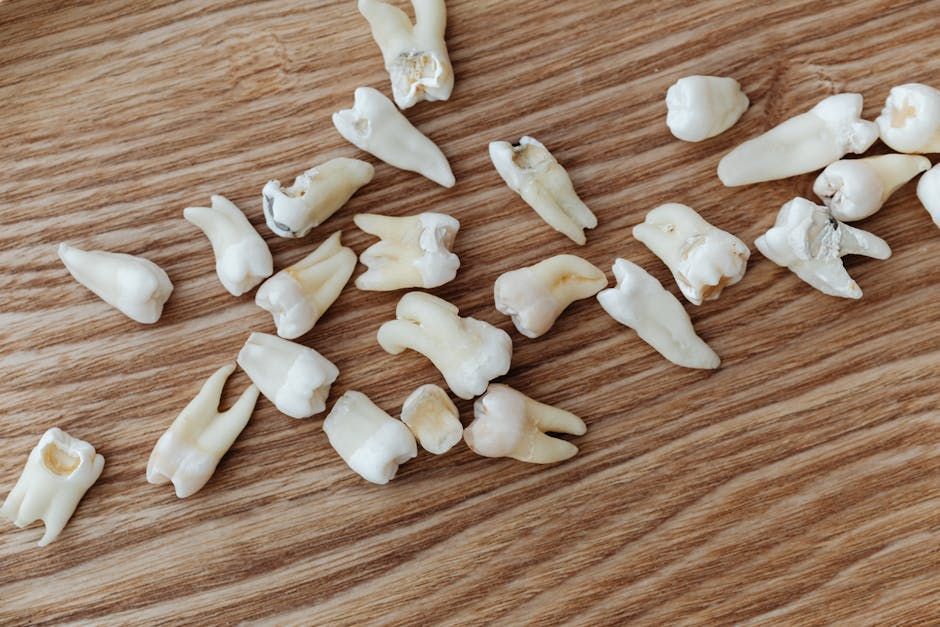
Manage pain and swelling with over-the-counter pain relievers and cold compresses applied externally. Avoid using the damaged tooth for chewing, and stick to soft foods on the opposite side of your mouth. If the break exposed the tooth's inner layers, you might experience sensitivity to temperature and touch. Avoid temperature extremes and acidic foods that could irritate the exposed dentin or pulp.
Vertical cracks deserve special mention because they're particularly serious. If you notice pain when biting down or releasing bite pressure, or if you experience sharp, shooting pain with certain movements, you might have a cracked tooth. These cracks can extend deep into the root and often require urgent evaluation to determine whether the tooth can be saved with a crown or needs extraction. Don't delay seeking treatment for suspected cracks—the longer you wait, the more bacteria can enter the crack and the more likely the tooth will split completely.
Objects Stuck Between Teeth
Getting food or other objects wedged tightly between teeth happens to everyone occasionally. Usually, gentle flossing dislodges the item without issue. However, if something becomes firmly stuck and causes significant pain, swelling, or bleeding, it requires professional removal to prevent damage to your gums and teeth.
Your first approach should always be gentle flossing. Use waxed dental floss and try approaching from different angles with a gentle sawing motion. Don't force the floss or snap it down hard—this can damage already irritated gum tissue or push the object deeper. If standard floss doesn't work, try a floss threader or an interdental brush, which might navigate around the obstruction more effectively.
Never use sharp objects like pins, needles, or knives to dislodge stuck items. These can slip, causing serious injury to your gums, tongue, or other oral tissues. Wooden toothpicks are also risky—they can splinter and create even worse problems. If you cannot remove the object with proper dental tools after several gentle attempts, stop trying and call our office. Continuing to prod at it causes inflammation and may push it into areas where it becomes even more difficult to remove.
While waiting for your appointment, rinse with warm salt water to reduce inflammation and help prevent infection. Avoid eating on that side of your mouth to prevent pushing the object deeper or causing more discomfort. If you experience increasing swelling, pus, or fever, the stuck object may have already caused an abscess or infection, elevating the situation to a more urgent emergency.
Lost Fillings or Crowns
Losing a filling or crown exposes the underlying tooth structure, which is often sensitive, weakened, or shaped in ways that make it vulnerable to further damage. While this situation rarely causes severe immediate pain, it requires prompt attention to prevent complications.
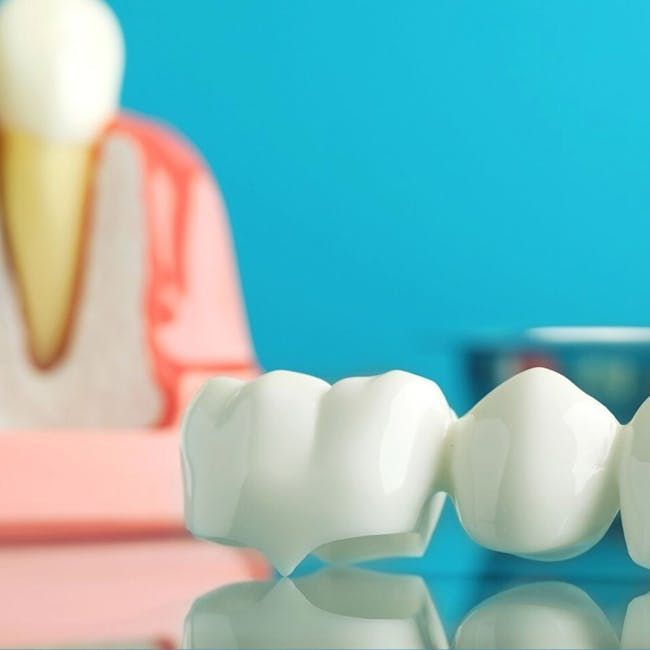
If a crown comes off, try to locate it immediately. Often we can clean and re-cement the same crown rather than making a new one, saving you time and money. Gently clean the crown's interior and try it back on the tooth to ensure it still fits properly. If it does, you can temporarily re-attach it using denture adhesive or temporary dental cement from the pharmacy. Apply a small amount inside the crown and seat it carefully on the tooth, making sure it aligns properly when you bite down. This temporary measure protects the tooth and keeps the crown from getting lost or damaged before your appointment.
Never use super glue or other household adhesives to reattach crowns—these contain toxic chemicals and make it extremely difficult for us to properly re-cement the crown later. If the crown doesn't fit anymore or you've lost it, apply dental wax or temporary filling material to the exposed tooth to protect it from sensitivity and damage. Avoid chewing on that side and stick to soft foods.
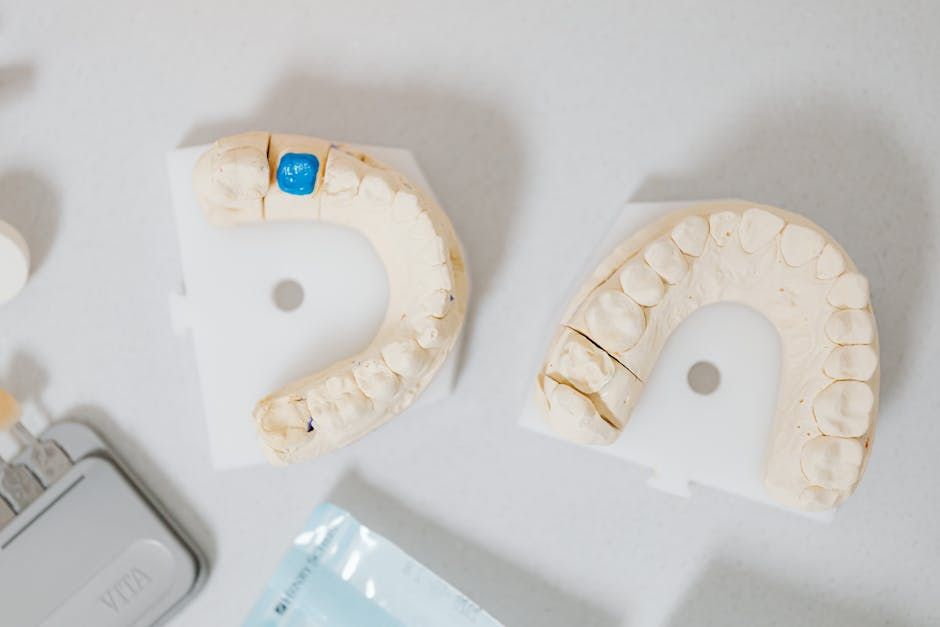
When a filling falls out, the cavity left behind collects food and bacteria. Clean the area gently but thoroughly after eating. Temporary filling material from the pharmacy can seal the space and protect against sensitivity, but remember this is just a stopgap. The underlying cavity that necessitated the original filling still exists and may have grown larger, requiring prompt permanent restoration.
Soft Tissue Injuries: Lips, Gums, Tongue, and Cheeks
Injuries to the soft tissues of your mouth—your lips, gums, tongue, cheeks, or the inside of your mouth—can produce alarming amounts of bleeding because these tissues are highly vascular. However, most soft tissue injuries, while painful and messy, aren't as serious as they initially appear.
First, gently rinse your mouth with a mild saltwater solution to clean the wound and assess its severity. Apply direct pressure to the bleeding area using clean gauze or a damp tea bag. Tannins in tea can help promote clotting. Maintain steady pressure for 15-20 minutes—resist the urge to check if bleeding has stopped every few minutes, as this disrupts clot formation. If bleeding doesn't slow significantly after 20 minutes of continuous pressure, or if the wound is deep or gaping, seek immediate emergency care at our office or an emergency room.
Apply a cold compress to the outside of your face near the injury to reduce swelling and provide pain relief. Avoid hot foods and beverages, which can increase bleeding, and stick to cool or room-temperature soft foods. Don't rinse too vigorously or use a straw, as suction can dislodge forming blood clots. Avoid touching the injury with your tongue or fingers, despite how tempting it is—this introduces bacteria and disrupts healing.
Contact our office for puncture wounds, lacerations longer than half an inch, wounds with jagged edges that won't close on their own, or any injury where you can see exposed bone or deep tissue. These wounds often benefit from stitches or other professional closure techniques that promote better healing and reduce scarring. Also seek care if you suspect a foreign body might be embedded in the wound, such as a piece of tooth, glass, or other debris.
Abscess or Facial Swelling: Signs of Serious Infection
A dental abscess—a pocket of pus caused by bacterial infection—represents one of the most serious dental emergencies. An abscess can occur at the tooth root or in the gums and may cause throbbing pain, fever, swollen glands, facial swelling, and a foul taste from draining pus. Left untreated, dental infections can spread to your jaw, neck, and even into your bloodstream, potentially becoming life-threatening.
If you suspect an abscess, call our office immediately for same-day treatment. While waiting for your appointment, rinse with warm salt water several times daily to help draw the infection toward the surface and provide some relief. Take over-the-counter pain relievers as directed to manage discomfort and reduce fever. Apply a cold compress externally to help with swelling and pain—never apply heat, which can cause the infection to spread more rapidly.
Watch for signs that the infection is becoming more serious: difficulty swallowing or breathing, severe facial swelling that closes your eye or extends down your neck, high fever, or feeling generally ill. These symptoms require immediate emergency room care, as they indicate the infection may be spreading to dangerous areas. Don't delay—dental infections can progress quickly from manageable to life-threatening.
When to Call Tri-Town Family Dental Immediately
At Tri-Town Family Dental, we reserve appointment times specifically for dental emergencies because we know that urgent problems can't wait. Contact us immediately if you experience severe, uncontrollable pain; knocked-out or significantly broken teeth; uncontrolled bleeding; signs of infection including fever, swelling, or pus; or injury to your jaw that affects your bite or causes difficulty opening your mouth.
We provide same-day emergency appointments during regular business hours and have an after-hours emergency line for true emergencies occurring outside our normal schedule. When you call, our team will ask specific questions about your symptoms to assess the severity and provide immediate guidance on steps you can take before arriving. We'll see you as quickly as possible and work to address both your immediate pain and the underlying cause.
Experiencing a dental emergency? Don't wait— contact Tri-Town Family Dental right away. Our experienced team in Allenstown is equipped to handle dental emergencies with skill and compassion. Call us at (603) 485-8464 or visit our office at 62 Fox St, Fitchburg, MA. We're here to provide the urgent care you need to protect your smile and relieve your pain!