Allenstown Area: Children's Dental Health Starts at Home
February marks National Children's Dental Health Month, providing the perfect opportunity for families in Allenstown and the tri-town area to prioritize children's oral health. Whether your family explores Bear Brook State Park or your kids attend local schools, building strong dental care habits creates benefits that last a lifetime. At Tri-Town Family Dental, we understand that exceptional children's dental care starts at home, and we're committed to empowering central New Hampshire families with the knowledge and support needed to protect their children's smiles.
As your tri-town area dental partner, we regularly answer parents' most common questions about pediatric oral health. How can we establish effective home care routines? When should professional dental visits begin? What strategies actually prevent cavities? This comprehensive guide provides practical, evidence-based answers specifically designed for busy families in Allenstown, Pembroke, Hooksett, and surrounding communities.
Building Your Home Dental Care Foundation
The most important dental care happens at home, not in the dental office. While professional cleanings and examinations play crucial roles, daily home care determines your child's long-term oral health outcomes. Children should brush twice daily for two full minutes using age-appropriate fluoride toothpaste. For children under three, use only a tiny rice-grain-sized amount; children three and older can use a pea-sized amount. The key isn't perfection—it's consistency. Brushing should become as automatic and non-negotiable as getting dressed each day.
Make brushing enjoyable through creative strategies that transform it from a chore into a positive ritual. Use colorful two-minute timers, play favorite songs, create reward charts celebrating consistency, or establish family brushing times where everyone cares for their teeth together. Electric toothbrushes designed for children often increase engagement with built-in timers, gentle vibrations, and fun designs. Young children need direct adult assistance, while older elementary-age children benefit from periodic supervision to ensure they're brushing effectively. Most children develop independent capability around age seven or eight, though readiness varies individually.
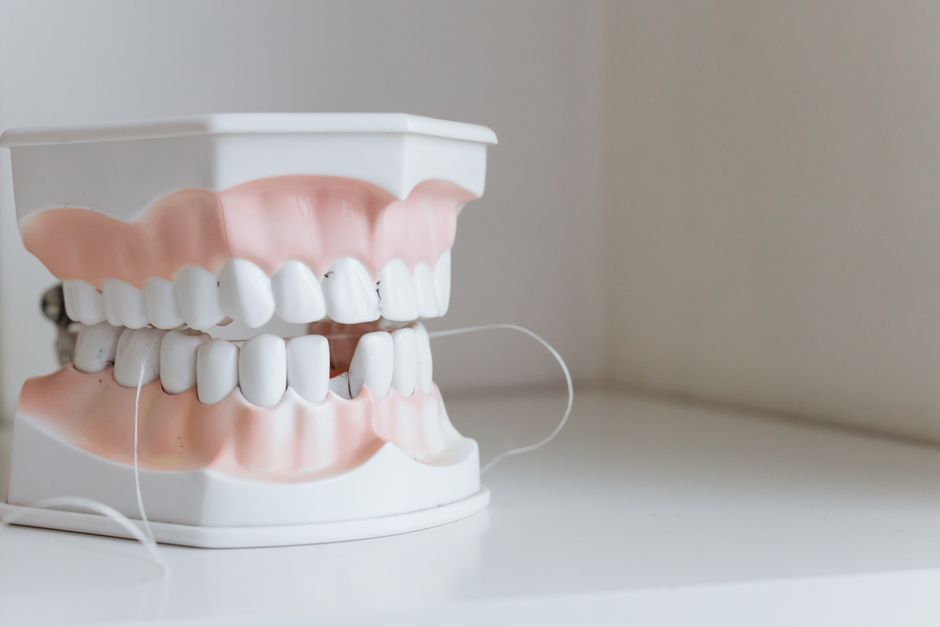
Flossing deserves equal priority despite frequent neglect. Begin flossing as soon as two teeth touch each other. For young children, colorful floss picks designed for small hands simplify the process and make it more appealing. Flossing removes plaque and food particles from between teeth where brush bristles cannot reach, preventing cavities in these vulnerable spaces. Teaching proper technique early establishes habits protecting dental health throughout life. Consider making dental care a shared family activity—children learn powerfully through observing and imitating parents who model healthy behaviors.

Smart Nutrition Choices for Tri-Town Area Families
What children eat significantly impacts their dental health. Strategic nutritional choices protect teeth while supporting overall growth and development. Focus on tooth-friendly foods that actively benefit oral health: cheese naturally neutralizes harmful mouth acids, crunchy raw vegetables mechanically clean teeth while providing valuable nutrients, dairy products supply essential calcium for strong tooth development, lean proteins support healthy tissue growth, and fresh fruits offer natural sweetness with beneficial vitamins and fiber that processed sweets lack. These wholesome choices support both dental and general health.
Water should be the primary beverage throughout each day. Water provides multiple crucial oral health benefits: rinsing away food particles and sugars, helping dilute acids produced by bacteria, stimulating protective saliva production, and—when fluoridated as the tri-town area's water is—actively strengthening developing tooth enamel. Make water the default drink at meals and between meals. Limit fruit juice consumption even though it seems healthy; juice concentrates natural sugars without the fiber whole fruits provide. Minimize or eliminate sports drinks, which combine high sugar content with significant acidity that rapidly damages young teeth.
Snacking patterns matter as much as food choices. Frequent snacking creates constant acid attacks on teeth as bacteria metabolize sugars and starches. Rather than allowing unlimited grazing, establish set times for meals and snacks, giving teeth recovery periods between eating. When children do enjoy treats—and moderate treats are perfectly acceptable—serving them with meals works best because increased saliva flow during meals helps wash away sugars and neutralize acids more effectively. These strategic timing adjustments can significantly reduce cavity risk without requiring elimination of favorite foods or major dietary overhauls.
When Professional Care Begins: First Dental Visits
Professional dental care should begin earlier than many parents realize. The American Dental Association recommends children visit the dentist by age one or within six months after their first tooth appears. For tri-town area families who value preventive healthcare, this early start provides numerous benefits. First visits focus primarily on building comfort and familiarity rather than extensive procedures, creating positive associations with dental care that reduce anxiety throughout life.
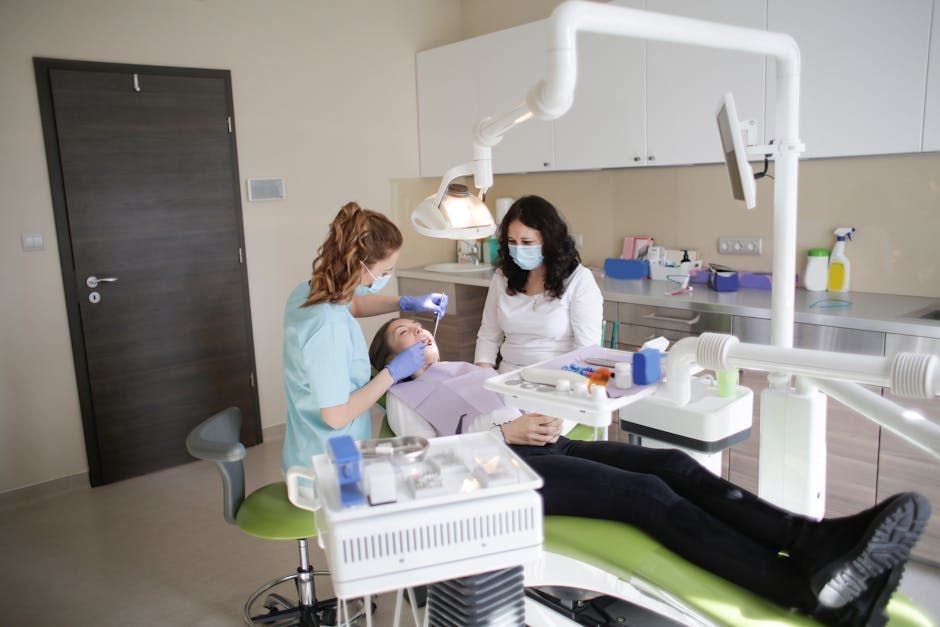
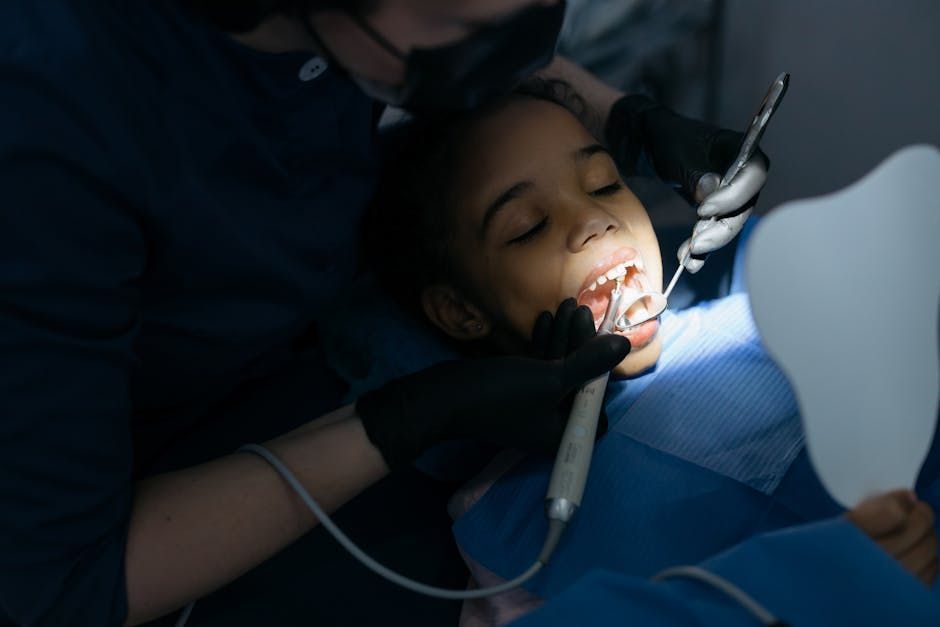
During initial appointments, our team gently examines your child's oral development, checks for early signs of decay or developmental concerns, assesses bite alignment and growth patterns, and provides personalized guidance on age-appropriate home care techniques. We answer all your questions about teething, cleaning techniques, nutrition, and any concerns specific to your child. These appointments aren't just about teeth—they're opportunities to establish trusting relationships that make future dental care feel safe, normal, and even enjoyable.
Early intervention prevents minor concerns from becoming major problems. We can identify potential issues like improper bite development, apply protective sealants to vulnerable molars, provide fluoride treatments that strengthen developing enamel, and catch cavities in their earliest, most treatable stages. Children who begin dental visits early typically experience less dental anxiety throughout life and develop better oral health outcomes. Establishing this care pattern early gives tri-town area children the best possible foundation for healthy smiles that last a lifetime.
Tri-Town Family Dental: Your Partner in Children's Dental Health
This Children's Dental Health Month provides an excellent opportunity to evaluate your family's oral care practices and schedule professional checkups for your children. Combining consistent home care with regular professional visits creates the strong foundation necessary for lifelong dental health. Our team specializes in making children feel comfortable, valued, and confident during their visits, understanding that positive early experiences shape attitudes toward oral healthcare for decades to come.
Ready to give your tri-town area children the advantage of exceptional dental care that starts at home and continues with professional support? Contact Tri-Town Family Dental today to schedule your family's checkups. Call us at (603) 485-8464 or visit our office at 62 Fox St, Fitchburg, MA 01420. Let's work together to make this Children's Dental Health Month the beginning of a lifetime of healthy, confident smiles for your Allenstown area family!