Nutrition and Your Teeth: Foods That Help vs. Hurt
Good dental health isn't just about brushing and flossing — what you eat every single day has a direct and measurable effect on the condition of your teeth and gums. The foods and drinks you choose create the chemical environment inside your mouth, either building up your enamel's defenses or creating the conditions that lead to decay and disease. At Tri-Town Family Dental in Allenstown, we serve patients from Allenstown, Pembroke, Hooksett, Concord, Epsom, and the surrounding communities, and we believe that empowering our patients with practical nutritional knowledge is one of the best investments we can make in their long-term oral health. Here's a comprehensive look at which foods are working in your favor — and which ones to be more careful about.
The basic science is this: bacteria living naturally in your mouth feed on sugars and starches, producing acids as a metabolic byproduct. These acids attack tooth enamel directly, gradually eroding it over time and creating the conditions for cavities, sensitivity, and gum disease. But the equation has a positive side: certain foods deliver calcium and phosphorus to remineralize enamel, vitamins that protect and support gum tissue, and pH-raising compounds that help neutralize those acids. Making intentional food choices is one of the most impactful habits you can develop for your smile.
Foods That Strengthen and Protect Your Teeth
Dairy products consistently top the list of smile-friendly foods. Milk, cheese, and plain yogurt are exceptional sources of calcium and phosphorus — the two minerals that form the hard structure of tooth enamel. Every time acids temporarily soften your enamel throughout the day, calcium and phosphorus from your diet and saliva help remineralize and restore it. Cheese is the standout performer in this category: it stimulates saliva flow, raises the mouth's pH (counteracting acids), and contains casein proteins that have been shown in clinical research to bond to enamel surfaces and directly reinforce their structure. For families across Allenstown, Pembroke, and Concord looking for convenient snack options that actually benefit dental health, a small serving of cheese or plain Greek yogurt after a meal is one of the most effective choices you can make.
Crunchy, water-rich fruits and vegetables are another category that directly supports oral health. Apples, carrots, celery, cucumbers, and pears all have a crisp, fibrous texture that physically scrubs tooth surfaces as you chew, helping to dislodge food debris and stimulate saliva production. Saliva is your mouth's primary natural defense mechanism — it neutralizes acid, washes away bacteria, and continuously delivers remineralizing minerals back to enamel. These foods are also naturally low in sugar compared to virtually all processed snack alternatives, making them an excellent choice between meals when brushing isn't immediately possible. For children in Hooksett and Epsom, teaching them to reach for fresh produce as a snack over chips or fruit snacks is a habit that pays dividends in dental health for years.
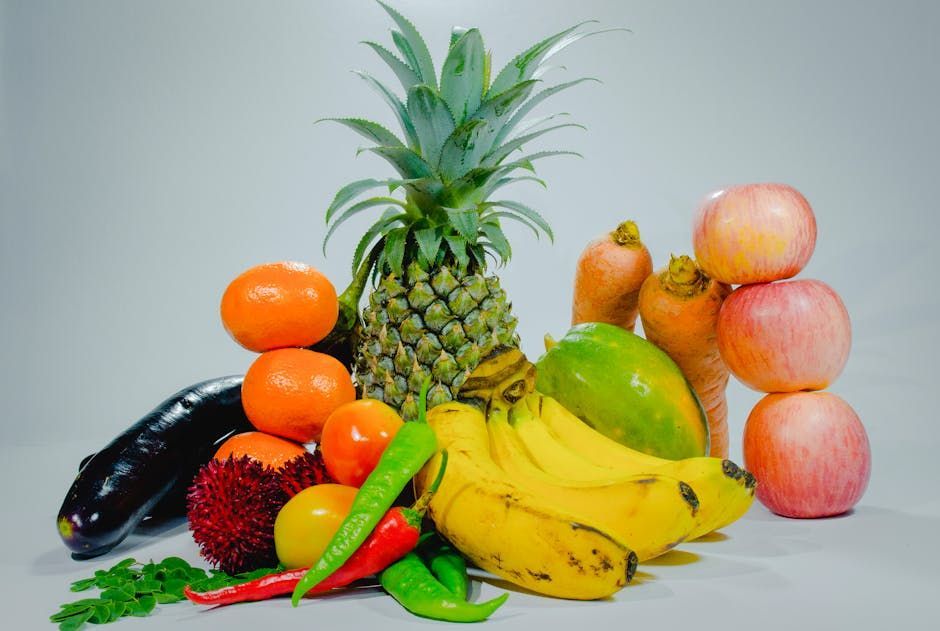
Leafy greens — spinach, kale, arugula, romaine, and Swiss chard — provide a rich array of nutrients that directly benefit teeth and gums. They're dense sources of calcium, folic acid, and vitamins A, C, and K, all of which contribute to enamel strength, healthy gum tissue, and the body's immune response to oral bacteria and inflammation. Vitamin C supports the production of collagen, which keeps gum tissue firm and resistant to infection. Folic acid has been linked in multiple studies to reduced rates of periodontal disease. Adding a daily serving of leafy greens to your diet through salads, smoothies, or cooked side dishes is a straightforward way to give your oral health a meaningful nutritional boost. Nuts and seeds — especially almonds, cashews, and sesame seeds — offer calcium, phosphorus, and magnesium without significant sugar, making them another smart addition to a smile-protective diet.
Water, especially fluoridated tap water, is the most beneficial beverage you can consume for your dental health. It rinses away sugars and acid-producing bacteria, dilutes the acids that accumulate throughout the day, and keeps saliva production optimal. Fluoride in tap water works at the molecular level to strengthen enamel against acid attack, and it's one of the most thoroughly researched and proven interventions in public dental health. For patients who prefer filtered or bottled water, be aware that most bottled waters don't contain fluoride — making consistent use of fluoride toothpaste especially important to compensate.
Foods and Drinks to Limit for Better Dental Health
Sugary foods and beverages are the most significant dietary driver of tooth decay, and their impact goes far beyond obvious culprits like candy and soda. When bacteria in your mouth encounter sugar, they begin producing lactic acid within seconds — and with repeated sugar exposures throughout the day, your enamel faces near-continuous acid attack. Hidden sugar is a particularly important issue: flavored yogurts, fruit juices, granola and protein bars, sports drinks, sweetened coffee beverages, and even many "healthy" crackers and breads contain significant amounts of added sugar. For our patients in the greater Concord area, paying attention to sugar content on nutrition labels — not just the front-of-package marketing — is one of the highest-leverage habits you can develop for your oral health.
Acidic foods and drinks are equally harmful, and often less recognized as dental threats. Citrus fruits and juices, sodas (including diet variants), sparkling water, tomatoes, vinegar-based dressings, and wine are all highly acidic. Acid temporarily softens enamel, leaving it vulnerable to mechanical damage from chewing, grinding, and brushing. Soda is especially damaging because it combines high acidity with high sugar content — attacking enamel from two directions simultaneously. When acidic foods or drinks are part of your diet, a useful protective habit is to rinse with plain water immediately after consuming them, and to wait at least 30 minutes before brushing, as brushing softened enamel can actually speed up the erosion process.
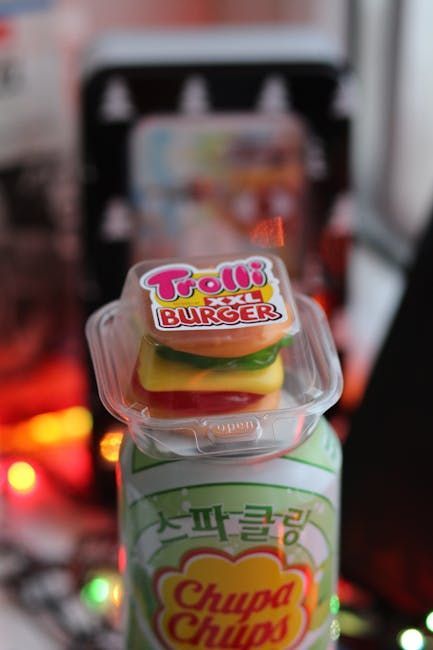
Sticky and chewy foods are an underappreciated hazard that frequently come up in conversations with our patients. Dried fruits, gummy candies, caramel, taffy, and certain granola and energy bars cling to tooth surfaces for extended periods — sometimes more than an hour — providing bacteria with a sustained sugar source and prolonged acid production window. This is meaningfully worse than eating a quickly-cleared fresh food with similar sugar content. For families: gummy vitamins, despite their health-focused branding, are among the worst foods for prolonged sugar contact on teeth. Tablet or liquid vitamins are a better choice, or at minimum, rinsing with water immediately after gummy vitamin consumption can help reduce the risk.
Refined starchy foods — white bread, chips, pretzels, crackers, and pasta — are often left off dental-health watchlists but can be surprisingly damaging. They convert to simple sugars rapidly in the mouth, and the paste-like consistency they develop when mixed with saliva allows them to pack deeply into the grooves and crevices of teeth where bacteria accumulate. Choosing whole grain alternatives provides more fiber, slower starch conversion, and a less adhesive consistency that clears from teeth more readily.
When and How You Eat Matters Too
The frequency of eating and drinking is as important as what you consume. Every time you eat or drink (other than water), your mouth's pH drops for roughly 20 to 30 minutes as bacteria process the incoming sugars. If you're continuously snacking or sipping on sweetened drinks throughout the day, your mouth stays in an acidic state for most of the waking hours — dramatically accelerating enamel erosion. Consolidating your eating to structured mealtimes with water in between gives your enamel significantly more recovery time in a neutral or remineralizing state. This is a simple, free habit change that can be as impactful as many other combined dental hygiene measures.
Finishing meals with tooth-protective foods also helps. A small piece of cheese, a few nuts, or simply rinsing with water after eating helps neutralize residual acids and supports enamel remineralization before your next brushing session. These practical strategies, combined with consistent twice-daily brushing, daily flossing, and regular professional care from our Allenstown team, create a comprehensive approach to dental wellness that protects your entire family's smiles over the long term.
Tri-Town Family Dental — Allenstown, NH
The team at Tri-Town Family Dental is dedicated to helping patients from Allenstown, Pembroke, Hooksett, Concord, Epsom, Deerfield, Candia, and Bow build the healthiest smiles possible through personalized, comprehensive dental care. Nutrition is just one dimension of the oral health picture, and we love having these conversations with our patients. Whether you're coming in for a routine cleaning or want to discuss specific concerns about your diet and dental health, we're here to help.
Ready to schedule your next appointment? Contact Tri-Town Family Dental today at (603) 485-8464. Visit us at 50 Pinewood Road, Unit 5, Allenstown, NH 03275. Your healthiest smile starts with what's on your plate!