The Facts About Chipping a Tooth

Whether you’ve been chewing on hard candy or crashing your mountain bike, the second you feel something inside your mouth that won’t dissolve or melt, you know you just broke a tooth and are about to panic. Enamel may be the most mineralized, hardest tissue in your body, but even its strength is limited, especially if any teeth have some decay on them already. If you’ve chipped a tooth, there’s no need to panic, because there are plenty of things your dental professional can do to help.
Caring for a Chipped Tooth
It goes without saying, but you need to schedule a dental visit immediately when you break, chip, or fracture a tooth. Otherwise, there may further damage or even infection, which could lead to you losing your tooth. Until then, try adhering to several self-care practices:
· If you’re in pain, take acetaminophen tablets or similar OTC pain relievers. Rinse out your mouth using salt water.
· In the event of a break with jagged, sharp edges, cover the break with sugar-free gum or wax paraffin to protect your tongue, cheeks, and lips.
· If you need to eat, choose softer foods and try to avoid biting using your broken tooth.
Treatment for chipped teeth will vary by the severity of the damage. Small pieces of enamel breaking off usually just requires one visit, but badly broken teeth may call for longer, costlier procedures, including some of the following:
Dental Bonding
For teeth that are visible when you smile, a process called bonding will likely be used to repair your tooth, which involves using a composite, tooth-colored resin. To bond your damaged tooth, a dentist uses a gel or liquid to roughen the tooth’s surface, which allows the adhesive material to stick better. Then, the material is applied to your tooth along with the resin. Once this bonding material has been shaped like a regular tooth, ultraviolet light is used for hardening the bond.
Dental Crown or Cap
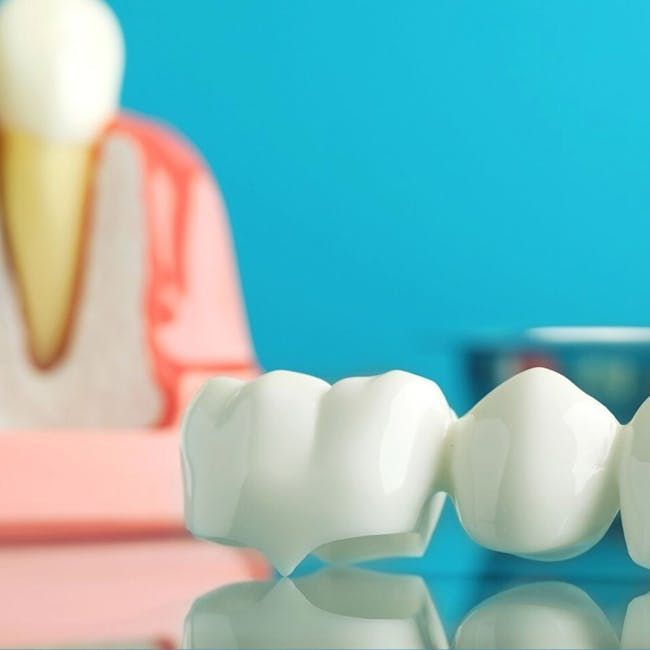
When large pieces of tooth break off, your dentist might file or grind away part of that tooth before covering it with a cap or crown, which can be made of all resin, all ceramic, metal, or porcelain fused to metal. Installing a crown often takes two dental visits, with the first involving X-rays for inspecting the tooth’s roots and the surrounding bone. Then, the dentist numbs the surrounding gum and tooth before removing part of the remaining tooth. Next, the dentist uses a putty-like substance to take impressions of the tooth that’s getting the crown and the opposite tooth the crown will be touching. During the next visit, the provisional crown your dentist placed is removed, and they check how your permanent crown fits before it’s cemented in place.
Dental Veneers
When the front teeth are chipped, veneers can make them look healthy and whole again. They’re thin shells of teeth-colored porcelain or composite material, which cover the front of teeth and have thicker sections for replacing broken or missing parts. To ready your tooth, the dentist removes between 0.3 and 1.2 mm of enamel from your tooth’s surface and then takes impressions to send to the lab. Once your veneer is completed, you go back to your dentist, where they place it by etching your tooth’s surface and roughening it. After a special cement is placed on the veneer, it’s placed into position on the tooth and then a special light is used to harden the cement.
In need of dental care? Allenstown, NHwould love to be your new dentist. To see a full list of our dental services, click here.